Certified Arborist Services: Expert Tree Care for More Vibrant Landscapes
Certified tree specialist serves an vital role in maintaining thriving outdoor spaces. These experts possess deep expertise in arboricultural science, offering specialized care tailored to individual needs. From precise pruning to pest management, their expertise ensures trees thrive. Understanding the importance of arborist evaluations is crucial for homeowners. However, the task of choosing the right arborist and the techniques they employ can be complicated. What should one think about when seeking expert assistance?
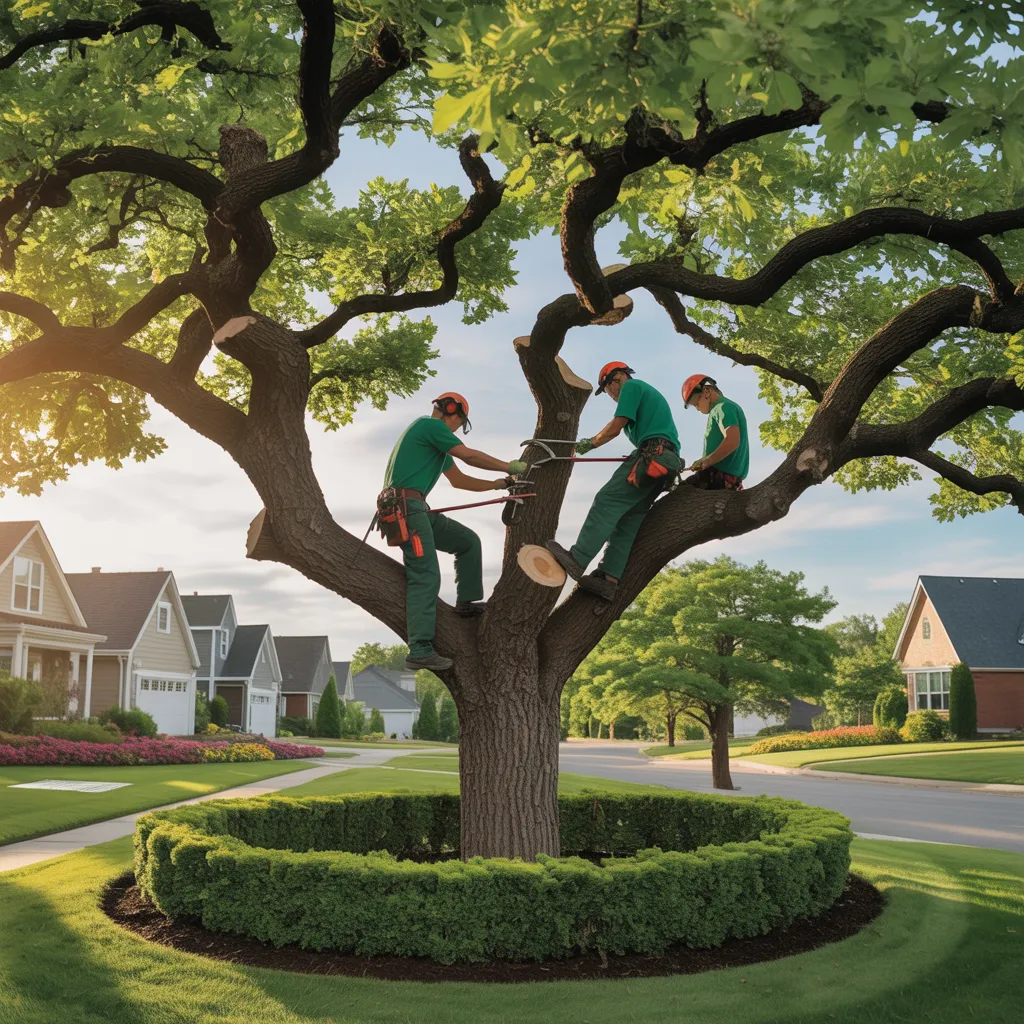
What Is a Certified Arborist and Why Do You Require One?
What defines a certified arborist, and why is their expertise vital for tree care? A certified arborist is a professional who has completed thorough preparation and testing in tree biology, care, and management. They possess a deep knowledge of tree species, growth patterns, and diseases, permitting them to make informed decisions about tree health and maintenance. Certification from a recognized organization, such as the International Society of Arboriculture, assures that these professionals follow to industry standards and best practices.
The call for certified arborists originates from the complexity of tree maintenance. Trees are important to natural habitats, supplying benefits like shade, dwelling spaces, and air quality improvement. Poor maintenance can produce damage or decline, affecting both the trees and the surrounding nature. By consulting a certified arborist, individuals and businesses can establish that their trees receive professional care, encouraging longevity and health while reducing risks involved in tree maintenance.
Essential Offerings Provided by Professional Arborists
Certified arborists deliver a variety of important services crucial for preserving tree health and safety. Two key services include expert tree pruning techniques, which enhance growth and structural soundness, and effective pest management approaches that safeguard trees from harmful pest invasions. These services are essential for maintaining the ecological balance and guaranteeing the longevity of trees in various landscapes.
Tree Trimming Methods
Maintaining tree health and appearance relies heavily on effective tree pruning techniques. Certified arborists use several methods to assure optimal growth and longevity. Thinning requires selective branch removal to facilitate air flow and light penetration, benefiting overall tree health. Crown reduction cuts back height and spread while preserving tree structure, necessary for urban environments. Deadwooding, which is removing dead or diseased branches, prevents decay and pest problems. Moreover, shaping promotes a natural form, enhancing visual appeal. Each technique demands an understanding of tree biology and growth patterns, proving that pruning helps rather than harms the tree. These expert methods significantly contribute to healthier landscapes and the longevity of trees therein.
Pest Control Strategies
Pest management approaches are crucial for maintaining the well-being of trees and landscapes. Certified arborists utilize a variety of methods to identify, monitor, and manage pest populations efficiently. These approaches often begin with a comprehensive assessment of the environment, allowing arborists to establish the presence of damaging pests and assess tree health. Integrated Pest Management (IPM) is a common approach, combining biological, cultural, and chemical methods to minimize damage while promoting ecological balance. Additionally, arborists educate property owners on preventative measures, such as proper watering, mulching, and tree selection. Regular monitoring and early intervention are critical components, guaranteeing that pest issues are addressed before they escalate. This proactive management fosters healthier trees and contributes to vibrant landscapes.
Why Do Tree Health Assessments Count?
While many homeowners appreciate the visual and environmental benefits of trees, grasping the importance of tree health assessments is essential for maintaining their vigor. Tree health assessments provide a thorough evaluation of a tree's condition, identifying potential risks and underlying issues that may not be immediately apparent. These assessments allow arborists to detect diseases, insect infestations, and structural weaknesses early, facilitating timely intervention.
Ongoing evaluations can also guide proper care practices, ensuring that trees obtain suitable nourishment, water, and pruning. Additionally, vigorous trees contribute to improved air quality, boosted property value, and expanded biodiversity. By prioritizing tree health inspections, homeowners can take well-informed decisions that promote the longevity and strength of their landscapes. In the end, these proactive measures not only protect individual trees but also support the overall health of the ecosystem, benefiting both the property and the community at large.
Picking the Appropriate Arborist Suited to You
When deciding on an arborist, homeowners ought to think about various factors to guarantee they obtain superior tree maintenance solutions. First, validating credentials is important; accredited tree specialists possess the training and proficiency needed for competent tree care. Homeowners should also assess the arborist's expertise and specialization, particularly in areas relevant to their specific trees and grounds.
In addition, collecting references and reading reviews can provide insight into the arborist's reputation and trustworthiness. Straightforwardness in pricing and services offered is mandatory; a see the details qualified arborist will present clear estimates and address required interventions.
An critical component is the equipment and techniques utilized, because contemporary equipment and methods can significantly shape tree vitality. Finally, assessing the arborist's communication skills can verify that homeowners feel knowledgeable and at ease as the work progresses. When taking into account these points, homeowners can determine informed solutions that lead to stronger trees and improved landscapes.
Trimming Techniques From Licensed Arborists
Pruning is necessary for preserving the health and beauty of trees. Experienced professionals apply different techniques to guarantee effective pruning outcomes, which enhance growth and ward off disease. Comprehending these strategies allows property owners to recognize the value of professional tree care.
The Essential Nature Of Pruning
Successful tree care copyrights on the skilled use of pruning techniques, as certified arborists recognize the vital role this method plays in maintaining tree health. Trimming not only enhances the aesthetic quality of trees but also promotes healthier growth by letting sunlight and air to penetrate the canopy. It eliminates dead or diseased branches, preventing the spread of pests and diseases, which can jeopardize the overall health of the tree. Additionally, strategic trimming strengthens structural integrity, minimizing the risk of branch failure during storms. By developing better shape and balance, arborists assure trees can thrive in their environment, ultimately contributing to a healthier landscape. Therefore, the importance of pruning cannot be understated in any thorough tree care program.
Strategies For Effective Pruning
Mastering pruning techniques is vital for certified arborists seeking to improve tree health and aesthetics. Among the most effective methods is the thinning cut, which removes select branches to improve light penetration and air circulation. The reduction heading, on the other hand, encourages new growth by reducing the height of a tree. Additionally, the size reduction method minimizes tree size while preserving its shape and structure. Arborists emphasize the importance of timing, recommending pruning during dormancy to reduce stress on the tree. Proper tools, such as sharp shears and saws, guarantee clean cuts, reducing the risk of disease. Ultimately, utilizing these techniques fosters robust tree development and enhances the overall landscape.
12-Month-Round Tree Maintenance From Certified Arborists
Consistent tree care throughout the calendar year is essential for preserving the health and robustness of trees. Certified arborists are key players in this ongoing process, offering expert services tailored to the unique needs of trees in different seasons. In spring, they evaluate tree growth and apply feeding plans to enhance vitality. During summer, arborists monitor for pests and diseases, guaranteeing timely interventions to mitigate risks. As fall approaches, they concentrate on pruning to remove dead or diseased branches, improving air circulation and light penetration. In winter, they carry out evaluations to ready trees for the harsh conditions ahead, highlighting structural integrity. Throughout the year, certified arborists also offer expert guidance on watering, mulching, and other care practices, supporting a holistic approach to tree health. This extensive care guarantees that trees flourish, contributing to the overall beauty and resilience of landscapes.
Extended Benefits of Professional Tree Care
Professional tree care offers noteworthy long-term benefits that transcend immediate aesthetic improvements. Engaging trained tree experts promises that trees receive expert assessments, appropriate trimming, and health observation, which contribute to their health and longevity. Healthy trees not only improve property value but also increase air quality and provide shade, reducing energy costs.
Investing in professional care reduces the risks tied to pest infestations and diseases, ultimately lowering maintenance costs over time. Moreover, carefully maintained trees are less likely to suffer from storm damage, shielding both property and surrounding landscapes.
In urban settings, trees foster biodiversity and give shelter for wildlife. By promoting a thriving ecosystem, professional tree care furthers environmental sustainability. Overall, the enduring rewards of expert tree management are multifaceted, enriching both personal spaces and the broader community, making it a worthwhile investment for property owners.
Often Posed Questions
What Will Professional Arboricultural Services Typically Cost You?
Certified arborist services typically range from $75 to $1,500, depending on factors such as tree size, service type, and location. Homeowners should obtain several estimates to guarantee fair pricing for necessary tree care.
Are Certified Arborists Protected and Credentialed?
Trained arborists must typically be both properly licensed and fully covered by insurance. This verifies that they maintain industry standards and regulations, granting clients with security regarding the expertise and safety of their services.
What Benchmarks Do Certified Arborists Fulfill?
Certified arborists commonly hold a credential in forestry, horticulture, or a comparable field. They are obligated to pass an assessment and maintain professional development, ensuring they maintain up-to-date knowledge and skills in woodland stewardship.
How often Should Trees Be evaluated by an Arborist?
Trees need to be reviewed by an arborist every three to five years, or more often if signs of stress, disease, or damage occur. Frequent evaluations ensure excellent health and safety within the landscaped space.
Do Qualified Tree Experts Offer Support for Pest Management?
Certified arborists can certainly assist with pest management. They assess tree health, recognize pest issues, and suggest appropriate solutions, ensuring trees stay healthy and resilient against infestations while encouraging overall landscape strength and sustainability.